
"Work the problem." - Gene Kranz
working solutions,
empowering partnerships,
inspiring tomorrow
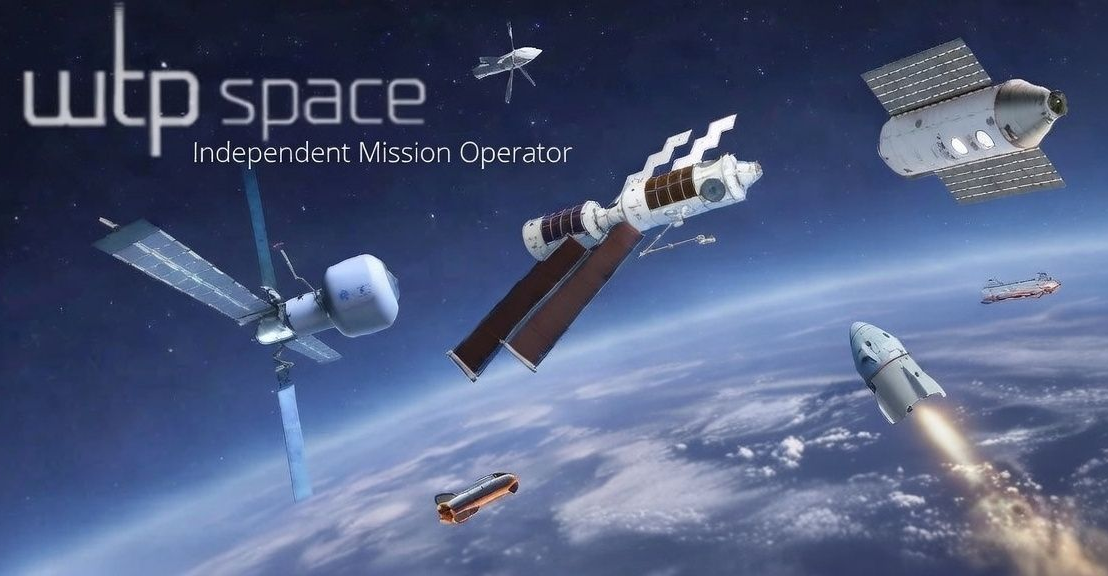
WTP Space is driving innovation in commercial human spaceflight by pioneering the Independent Mission Operator (IMO) model for Private Astronaut Missions (PAM) to Commercial Low Earth Orbit Destinations (CLD). As CLDs emerge and mature, WTP Space will serve as a critical bridge —facilitating the onboarding of new CLDs by providing PAM mission services and operations, while continuing to provide proven mission services for established CLDs, whether as a primary provider or a complementary option within a broader service ecosystem.
What we are providing
Why do we exist?
WTP Space believes human spaceflight needs a competitive, collaborative marketplace. As pioneering leaders who helped shape the first three Private Astronaut Missions (PAM), we aim to drive innovation and evolve the PAM landscape ahead through WTP Space.

What we are providing
1. PAMs to CLDs (ISS+):
Competing for Private Astronaut Missions (PAMs) to ISS in 2026+, multiple Commercial LEO Destinations by the end of the decade, and beyond LEO in 2033+.
2. Customizable PAM Support Services:
Expert consulting and support for Private Astronaut Missions (PAMs) to the ISS, providing end-to-end customizable mission services for PAM providers who need to augment their short-term capabilities and workforce.
3. Personal Mission Management for Private Astronauts (Customer Side):
Bespoke astronaut representation for private astronauts flying with other PAM providers. WTP leverages first-hand operational experience from the PAM provider side to act as your representative, ensuring commitments are delivered by the PAM provider and maximizing your RIO.
Make every moment of your time in orbit count.
Customizable PAM Support Services
Expert consulting and support for Private Astronaut Missions (PAMs) to the ISS, providing end-to-end customizable mission services for PAM providers who need to augment their short-term capabilities and workforce:










1.
Mission Brokering – Negotiate optimized agreements between customers, CLDs, launch service providers.
2.
Service Provider Management – Coordinate across launch providers, mission service vendors, and CLDs.
3.
Training Coordination & Productivity Training – Oversee and streamline astronaut training logistics. Offer proprietary on-obit mission performance training for maximizing productivity while in orbit, maximizing overall mission ROI.
4.
On-Orbit Mission Operations Development (Research & Outreach) – Develop, plan, and optimize science, education, and media activities with customer teams. Build ops products. Management and Support options are also available.
6.
Pre-Mission Integration & Management
– Support and manage all pre-mission planning & integration elements (NASA requirements, DRDs, etc.).
7.
Medical Certs -
Flight surgeon guided medical certification.
8.
Customer Care –
Ensuring a smooth and safe experience from contract to splashdown.
9.
Ground Support System Infrastructure Development -
Guide development of mission critical ground support infrastructure and connection to NASA ISS networks.
10.
Payload Telescience for PI/PDs -
Coordinate POIC telescience capabilities for payload science customers for PI/PD mission support.
1. Mission Brokering
Negotiate optimized agreements between customers, CLDs, launch service providers.
2. Service Provider Management
Coordinate across launch providers, mission service vendors, and CLDs.
3. Training Coordination
- Oversee streamlined astronaut training logistics.
- Offer proprietary on-obit mission performance training for maximizing productivity & ROI in orbit.
4. Crew Mission Operations Development
Develop, plan, and optimize science, education, and media activities with customer teams. Build ops products. Management and Support options are also available.
5. Pre-Mission Integration & Management
Support and manage all pre-mission planning & integration elements (NASA requirements, DRDs, etc.).
6. Medical Support
Medical Support - Flight surgeon guidance through medical qualifications, training, and mission ops.
7. Customer Care
Ensuring a smooth and safe experience from contract to splashdown.
8. Ground Support Systems Infrastructure (MCC) Development
Consult on development of mission critical ground support infrastructure and connection to external networks, like PIR for NASA ISS network.
9. Payload Telescience for PI/PDs
Coordinate POIC telescience capabilities for payload science customers for PI/PD mission support.
1.
Mission Brokering – Negotiate optimized agreements between customers, CLDs, launch service providers.
2.
Service Provider Management – Coordinate across launch providers, mission service vendors, and CLDs.
3.
Training Coordination & Productivity Training – Oversee streamlined astronaut training logistics. Offer proprietary on-obit mission performance training for maximizing productivity & ROI in orbit.
4.
Crew Mission Operations Development – Develop, plan, and optimize science, education, and media activities with customer teams. Build ops products. Management and Support options are also available.
5.
Pre-Mission Integration & Management
– Support pre-mission planning phases & integration elements (requirements, DRDs, etc.).
6.
Medical Support -
Flight surgeon guidance through medical qualifications, training, and mission ops.
7.
Customer Care (CX) –
Ensuring a smooth and safe customer experience from contract to splashdown.
8.
Ground Support Systems Infrastructure (MCC) Development -
Consult on development of mission critical ground support infrastructure and connection to external networks, like PIR for NASA ISS network.
9.
Payload Telescience for PI/PDs -
Coordinate POIC telescience capabilities for payload science customers for PI/PD mission support.
What we provide
Private Astronaut Representation
WTP provides independent, client-first representation for private astronauts flying with any PAM provider. Leveraging our insider operational experience, we advocate fiercely for you—ensuring providers prioritize your interests, deliver on promises, and maintain uncompromising mission safety.
What we provide
Private Astronaut Representation (Customer Side)
WTP provides independent, client-first representation for private astronauts flying with any PAM provider. Leveraging our insider operational experience, we advocate fiercely for you—ensuring providers prioritize your interests, deliver on promises, and maintain uncompromising mission safety.
Private Astronaut Representation
WTP provides independent, client-first representation for private astronauts flying with any PAM provider. Leveraging our insider operational experience, we advocate fiercely for you—ensuring providers prioritize your interests, deliver on promises, and maintain uncompromising mission safety.
Full Private Astronaut Missions
Competing for Private Astronaut Missions (PAMs) to ISS in 2026-2028, multiple Commercial LEO Destinations by the end of the decade, and destinations beyond LEO by 2035.
Custom PAM Support Services
Private Astronaut Mission (PAM) experts, providing mission consulting and end-to-end customizable mission services for PAM providers who need to augment their short-term capabilities and workforce.
Team




With decades of human spaceflight experience and a legacy of pioneering all aspects of the first three private astronaut (PAM) missions, WTP Space aims to continue pioneering within this emerging sector. Our leadership in private astronaut missions is reflected in tangible achievements across contracting, mission integration & planning, medical support, crew training, science, outreach, real-time operations, technology, communications, and ground support infrastructure. We are committed to optimizing crew productivity through innovative crew tools/processes, next gen crew training, and AI tools for planning & ops product development. WTP is passionate, curios, and driven to redefine what’s possible.
"Work the problem" - Gene Kranz
working solutions,
empowering partnerships,
inspiring tomorrow
Common Questions
What is a private astronaut mission?
A Private Astronaut Mission (PAM) enables individuals and sovereign nations to access Low Earth Orbit (LEO) to perform scientific intestigations, commercial activities, and outreach activities.
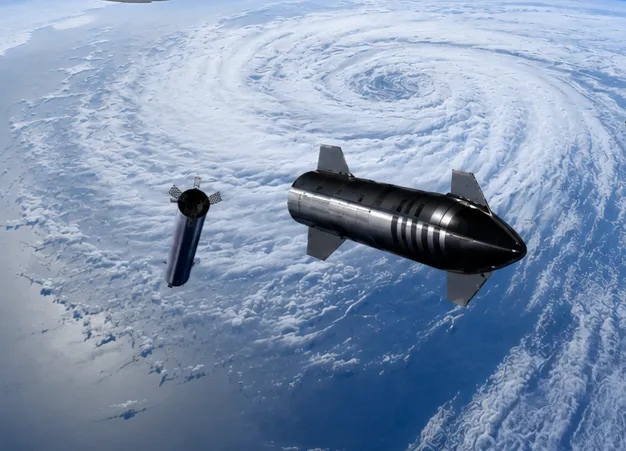
WTP-1 is unique from all previous PAMs, as the orbital platform and the transportation to low earth orbit are one and the same: SpaceX's Starship.
Widely expected to become a foundational platform for future human spaceflight, Starship offers customers an opportunity to gain early experience on the architecture poised to shape the next era of human space exploration as the industry transitions beyond the ISS era.
At a fraction of the cost of an ISS-based PAM, WTP-1 offers significantly greater habitable volume than the ISS, extended mission duration, and ISS-comparable research capability for human-tended science, technology demonstrations, and national payloads, made possible by Redwire Corporations and tailored to the objectives of each mission.
Who can participate in these missions?
 Get Details
Our private astronaut missions are designed for both soverign nation space program astronauts and private individuals who meet specific health and fitness criteria. Participants must undergo a thorough medical evaluation and training to ensure they are prepared for the mission.
Participants will undergo comprehensive training that includes orbital destination protocols, transport spacecraft operations, science payload operations, daily station operations, and extreme environment sinulations. This training is essential to ensure a safe and successful experience in space.
Is NASA involved?
WTP's commercially funded approach is aligned with NASA's long-term vision for a commercially led low Earth orbit economy; however, WTP Space is not directly funded by or affiliated with NASA.
In fact, NASA's stated strategy is to foster a commercially led low Earth orbit economy, transitioning from government-owned infrastructure to commercially provided services. While NASA is currently supporting commercial space station developers financially through the Commercial LEO Destinations program and ISS-based Private Astronaut Missions, WTP Space is independently developing commercially funded scientific mission capabilities of equal quality, along with industry leading scinece hardware company Redwire, that can be deployed years before most commercial stations become operational.
Is there a cost to reserve my spot?
 Access Model
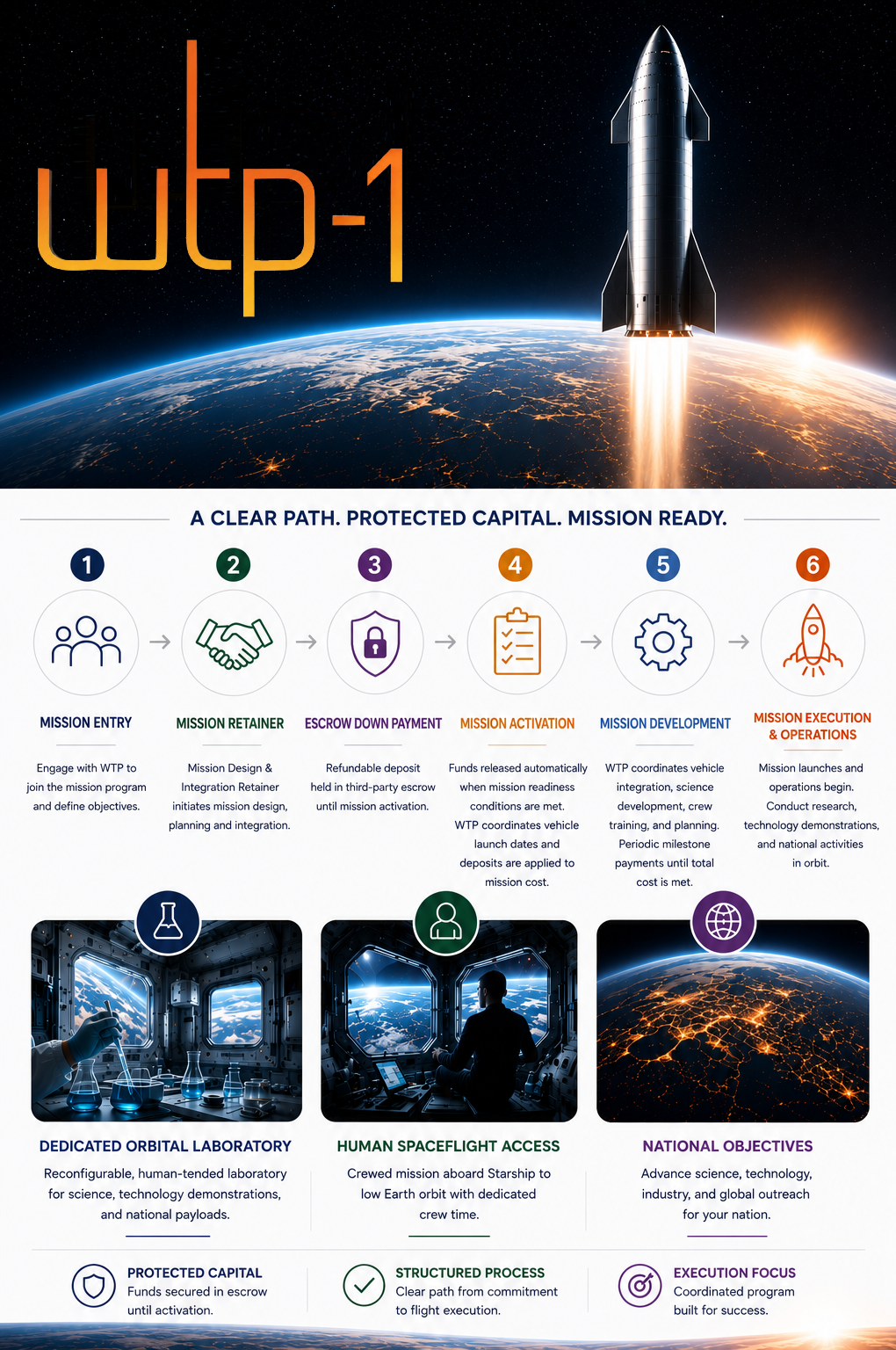
To reserve your spot, the access model includes a mission design & integration retainer (MDIR), plus a refundable deposit that goes into escrow until mission activation conditions are met. All payments are fully credited toward total mission cost.
How do I sign up?
RESERVEReachout to WTP and reserver your spot here:
SpaceX Starship
Transportation & Destination
Redwire Corporation
Laboratory Buildout & Mission Science Support
WTP Space
Mission Originator, Integrator, Leadership
First-of-its-kind mission to low earth orbit
100% commercial private astronaut mission entirely conducted on a dual-form spacecraft
Estimated launch date april 2028



Frequently Asked Questions about WTP-1 Mission
What is a private astronaut mission?
Read MoreA Private Astronaut Mission (PAM) enables individuals and sovereign nations to access Low Earth Orbit (LEO) to perform scientific intestigations, commercial activities, and outreach activities.
WTP-1 is unique from all previous private astronaut missions (PAM), as the orbital platform and the transportation to low earth orbit are one and the same: SpaceX's Starship.
Widely expected to become a foundational platform for future human spaceflight, Starship offers customers an opportunity to gain early experience on the architecture poised to shape the next era of human space exploration as the industry transitions beyond the ISS era.
At a fraction of the cost of an ISS-based PAM, WTP-1 offers significantly greater habitable volume than the ISS, extended mission duration, and ISS-comparable research capability for human-tended science, technology demonstrations, and national payloads, made possible by Redwire Corporations and tailored to the objectives of each mission.
Who can participate in these missions?
 Find Out More
Our private astronaut missions are designed for both soverign nation space program astronauts and private individuals who meet specific health and fitness criteria. Participants must undergo a thorough medical evaluation and training to ensure they are prepared for the mission.
What training is required before the mission?
Get DetailsParticipants will undergo comprehensive training that includes orbital destination protocols, transport spacecraft operations, science payload operations, daily station operations, and extreme environment sinulations. This training is essential to ensure a safe and successful experience in space.
Is NASA involved?
WTP Space is not affiliated with NASA; however, our commercially funded approach is aligned with NASA's long-term vision for a commercially led low Earth orbit economy.
In fact, NASA's stated strategy is to foster a commercially led low Earth orbit economy, transitioning from government-owned infrastructure to commercially provided services. While NASA is currently supporting commercial space station developers through the Commercial LEO Destinations program and ISS-based Private Astronaut Missions, WTP Space is independently developing commercially funded scientific mission capabilities that can be deployed years before most commercial stations become operational.
Is there a cost to reserve my spot?
To reserve your spot, there is a reasonably priced mission design & integration retainer (MDIR) that is non-refundable, plus a refundable deposit that goes into escrow until mission activation conditions are met. All payments are fully crewdited toward total mission cost.
How do I sign up?
Contact WTP Space using the link above or email info@wtpspace.com.
Why is WTP Space leveraging SpaceX Starship for its 1st private astronaut mission to LEO?
Unlike previous PAMs, WTP-1 is not flying to the ISS. Instead, WTP utilizes Starship as both the transportation system and the orbital platform, creating a fundamentally different mission architecture.
Starship offers customers the opportunity to gain early operational experience with an architecture expected to play a significant role in the post-ISS Artemis era of commercial human spaceflight.
WTP-1 offers substantially lower access costs than ISS-PAMs, significantly greater habitable volume, extended mission duration, and a commercial orbital laboratory outfitted by the industry-leading space hardware company, Redwire, with ISS-comparable capabilities for conducting orbital science and research.



What People Say About Us