
About WTP Space
Built on Decades of Human Spaceflight Leadership. Enabling the Post-ISS Era.
"Work the problem" - Gene Kranz
Why do we exist?
WTP Space exists to create opportunities—not wait for them. Built on decades of human spaceflight leadership and experience from the earliest commercial astronaut missions, we bring together the partnerships, operational expertise, and mission architectures needed to support today's commercial missions while enabling the transition to the post-ISS era.

Core Team





Who are we?

What are we trying to accomplish?
Expanded Access to Commercial Human Spaceflight
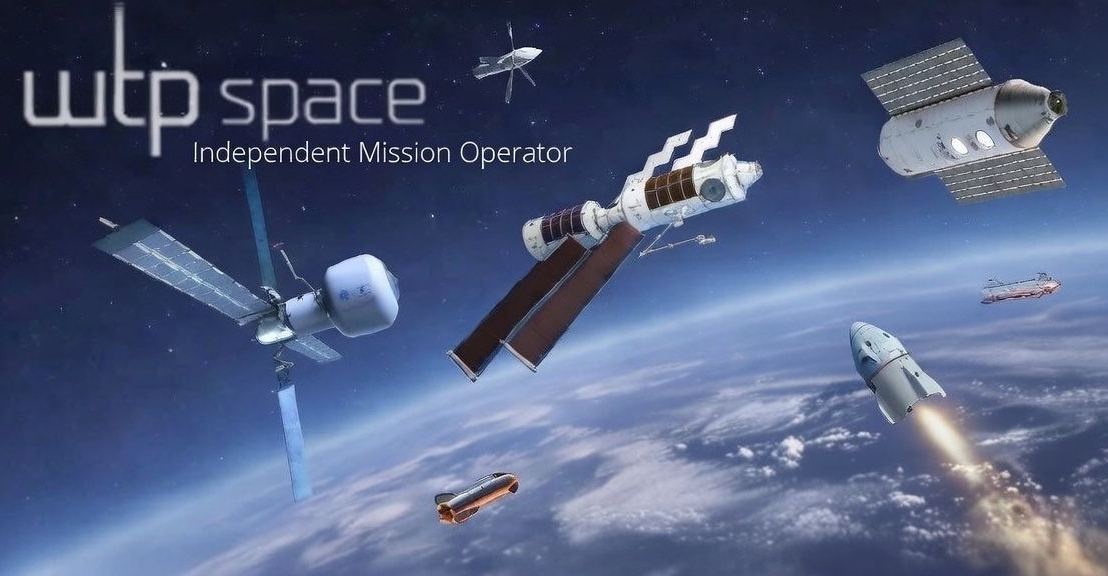
WTP's Independent Mission Operator (IMO) model provides customers with a destination-agnostic pathway to commercial human spaceflight, supporting today's commercial missions while enabling participation in the emerging post-ISS era.
A Sustainable Commercial Space Economy
By operating independently across multiple transportation systems and commercial destinations, WTP helps expand access, increase customer choice, and strengthen a competitive, scalable commercial space ecosystem.
Stronger Industry Partnerships
WTP complements transportation providers, commercial destinations (CLD), and technology partners by leading mission integration and customer representation, allowing each organization to focus on its core strengths while delivering a seamless mission experience.
Simplified Mission Integration
As an independent mission operator, WTP provides consistent planning, integration, training, and mission management across commercial providers, reducing complexity while delivering a predictable, high-quality customer experience.
Guiding the Transition to the Post-ISS Era
WTP is helping bridge today's commercial human spaceflight market with tomorrow's commercial orbital economy. By combining proven operational expertise with independent mission leadership, WTP supports customers, industry partners, and emerging commercial destinations throughout the transition beyond the International Space Station.
Frequently Asked Questions about Private Astronaut Missions & WTP Space
If I am flying with another PAM provider, why do I need representation?

A Private Astronaut Mission (PAM) is one of the most complex and consequential journeys an individual can undertake—operationally, professionally, and personally.
WTP provides independent, client-first representation for private astronauts flying with any PAM provider. Drawing on deep, firsthand experience from the provider side, WTP serves as a dedicated advocate focused exclusively on protecting and advancing the astronaut’s mission objectives from contract execution through post-flight completion.
Beyond training, crew integration, physical preparation, and the flight itself, a PAM requires coordination across government agencies, commercial space companies, research institutions, media organizations, STEM partners, and multiple service providers. Each stakeholder plays a critical role, but priorities, timelines, and incentives do not always naturally align. Absent an independent role focused on governance from the astronaut’s perspective, misalignment can emerge across interfaces—affecting decision clarity, execution efficiency, and mission outcomes.
Additionally, private astronauts are expected to help define mission objectives, contribute to planning and support documentation, participate in research and media coordination, and engage in key mission-execution decisions. Independent representation ensures these responsibilities remain coherent, aligned, and well-governed throughout the mission lifecycle.
WTP does not replace mission providers or operational authorities. While providers must balance organizational and partnership obligations, WTP exists to serve as the private astronaut’s sole advocate and governance layer—providing continuity, alignment, and informed oversight to protect mission objectives, decisions, and outcomes from contract execution through post-flight completion.
With WTP, Private Astronauts Gain
- Alignment across providers, NASA, and mission partners
- Accountability to ensure commitments remain on track
- Continuity from contract execution through post-flight closeout
- Informed oversight supporting mission safety and readiness
- Guidance through planning milestones, decision points, and required deliverables
- Confidence that mission objectives remain protected end-to-end
WTP provides governance, advocacy, and continuity—so private astronauts can focus on mission success, knowing their interests are protected at every stage.
Why is the IMO model important?
The transition from the International Space Station to a commercially led low Earth orbit economy represents one of the most significant changes in human spaceflight. As demand for commercial missions continues to grow—from sovereign astronaut programs and scientific research to technology demonstrations and media—customers will need independent, experienced organizations capable of navigating an increasingly diverse commercial marketplace.
Today, access to commercial human spaceflight remains limited, with a small number of NASA-managed Private Astronaut Mission (PAM) opportunities to the ISS. As new commercial destinations enter service, access will expand beyond a single government-led framework to a broader ecosystem of transportation providers, orbital platforms, and mission architectures.
The Independent Mission Operator (IMO) provides the connective layer across that ecosystem. Rather than being tied to a single destination or transportation provider, an IMO works across multiple commercial platforms and vehicles, giving customers greater flexibility, broader access, and the ability to select the solution best aligned with their mission objectives.
WTP builds upon the proven operational model established during the earliest commercial astronaut missions while extending that expertise into the post-ISS era. By providing independent mission leadership, customer representation, planning, training, science integration, and mission execution, WTP helps bridge today's commercial human spaceflight market with tomorrow's commercial orbital economy.
A thriving commercial space economy requires more than transportation systems and orbital destinations. It also requires independent organizations capable of integrating customers, industry partners, and mission operations into a seamless experience. The Independent Mission Operator is that connective layer, helping ensure commercial human spaceflight remains accessible, flexible, and sustainable as the industry continues to evolve.
What is a private astronaut mission?
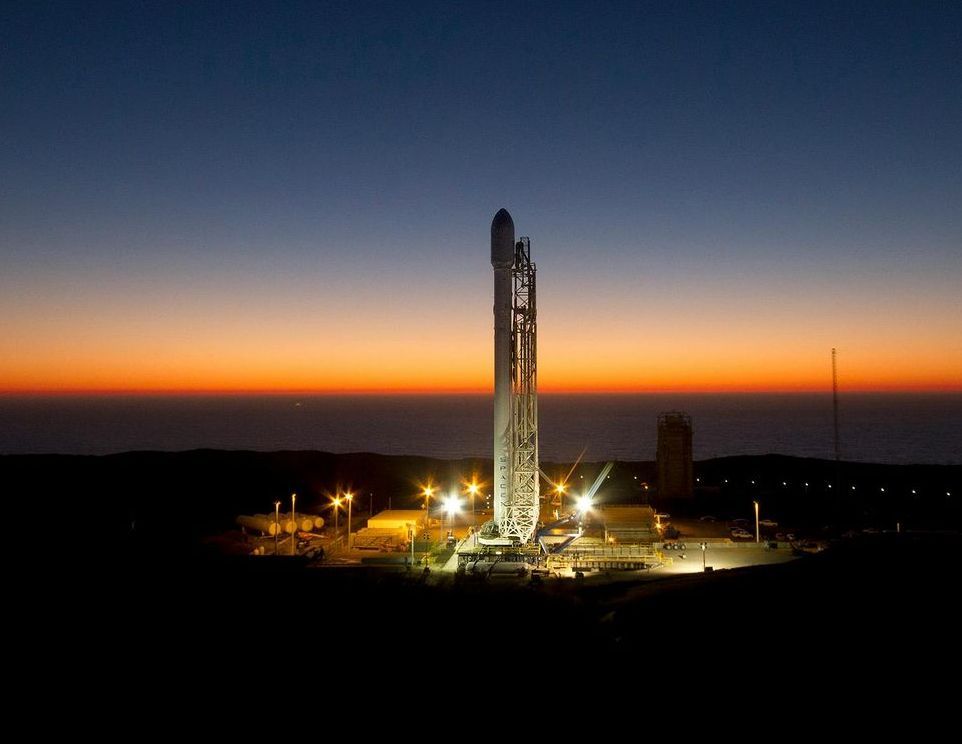
A Private Astronaut Mission (PAM) provides sovereign nations, organizations, researchers, and private individuals with access to commercial human spaceflight in low Earth orbit (LEO). Depending on the mission, destinations may include the International Space Station (ISS), emerging Commercial LEO Destinations (CLDs), or other commercial orbital platforms.
Today, access to ISS Private Astronaut Missions remains limited through a small number of NASA-managed opportunities. As the commercial space industry evolves beyond the ISS, new destinations and mission architectures will expand access to a broader range of customers and objectives.
WTP supports customers across both markets—providing independent mission representation and services for today's commercial missions while developing WTP-1, our independently led commercial human spaceflight mission designed for the post-ISS era. Regardless of destination, WTP remains focused on delivering purpose-driven missions that advance science, technology, education, public outreach, and national objectives.
Who can participate in these missions?

Our private astronaut missions are designed for both soverign nation space program astronauts and private individuals who meet specific health and fitness criteria. Participants must undergo a thorough medical evaluation and training to ensure they are prepared for the mission.
What training is required before the mission?
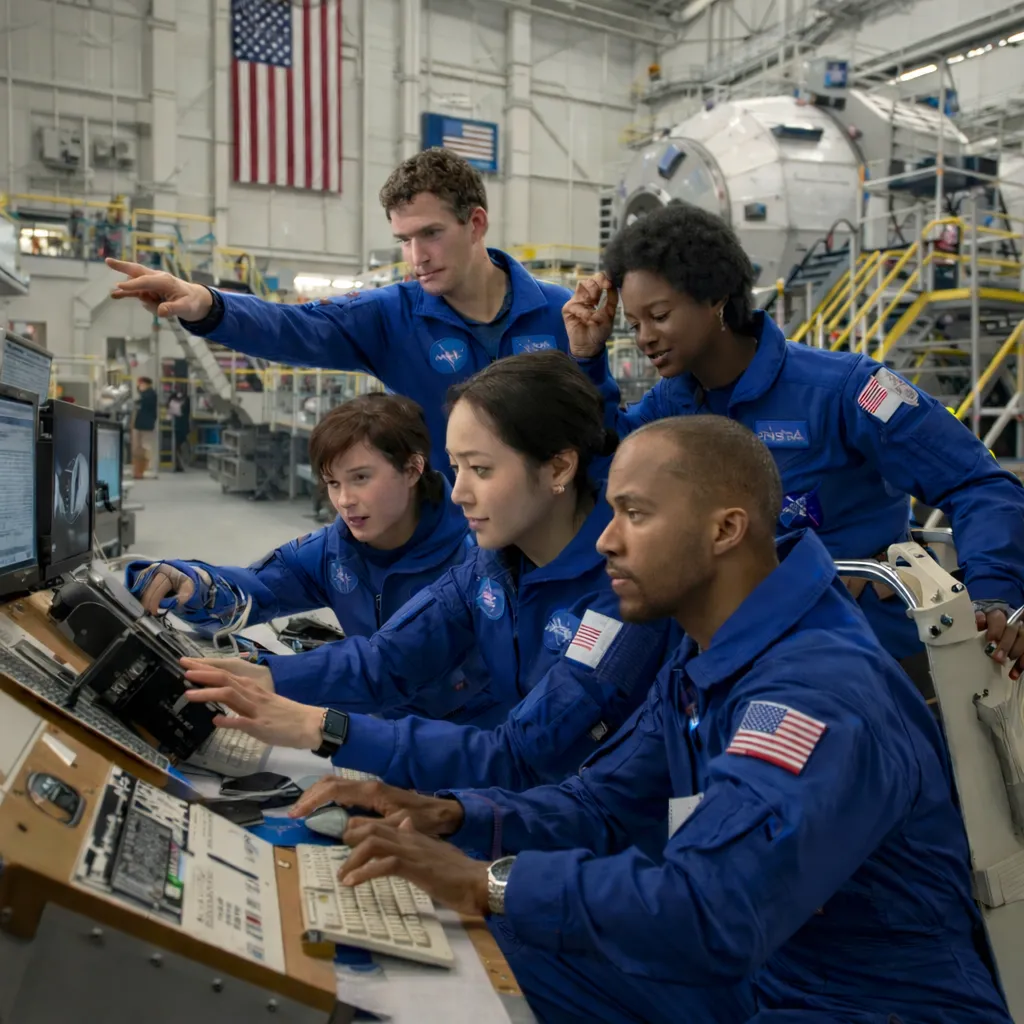
Participants will undergo comprehensive training that includes orbital destination protocols, transport spacecraft operations, science payload operations, daily station operations, and extreme environment sinulations. This training is essential to ensure a safe and successful experience in space.
Does WTP use AI tools?
WTP uses a plethora of AI tools to maintain a lean team and to optimize tasks, processes, and operations.